

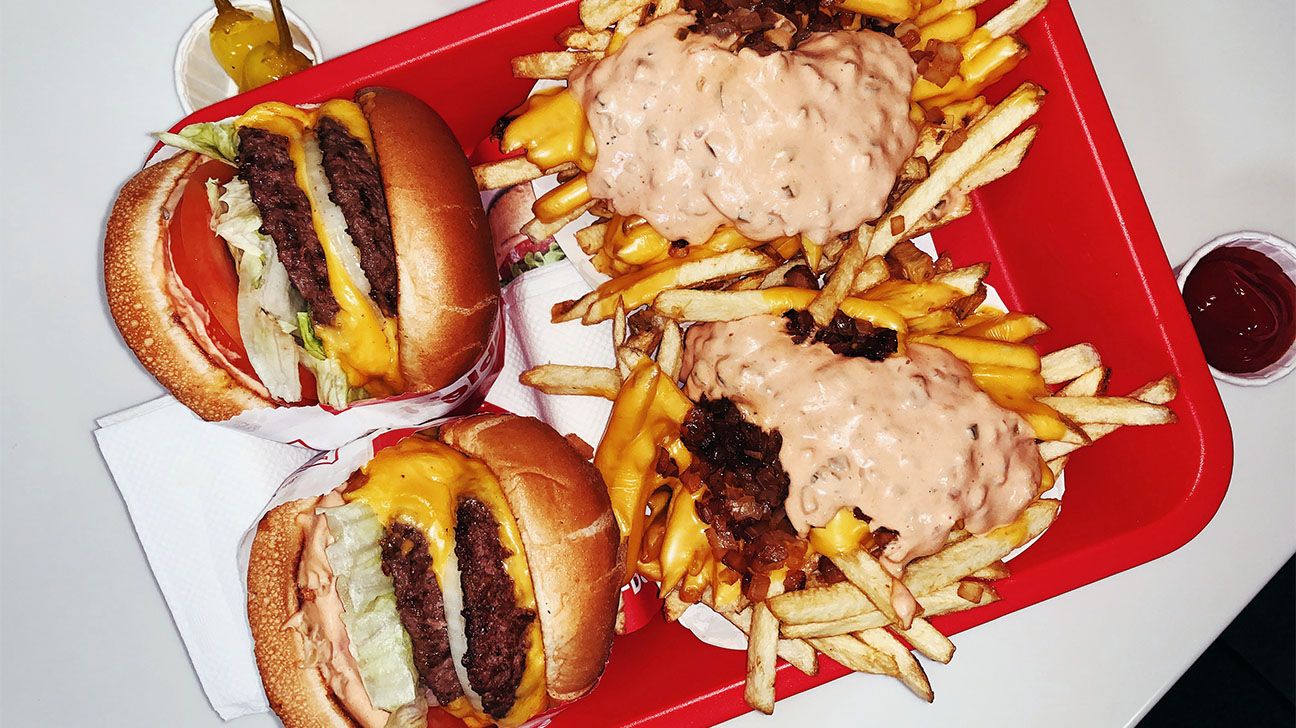
- A new review determined that ultraprocessed foods (UPFs) may be as addictive as cigarettes.
- The study authors observed that UPFs are formulated to heighten pleasure and speed up the absorption of reinforcing ingredients.
- The “addictive” nature of these foods means they fuel uncontrollable eating and disrupt natural hunger cues.
- The review authors propose that UPFs could be governed by regulations akin to those for cigarettes.
At present, there is not a standardized definition of UPFs. Certain experts define them as products that contain ingredients you would not typically use in a domestic pantry, for instance emulsifiers and additives.
Numerous experts employ the NOVA food categorization to define ultraprocessed foods. This talks about products that contain “combinations of ingredients, primarily of manufacturing origin, often produced by a range of factory processes and processes.”
A fresh paper featured in The Millbank Quarterly indicated that UPFs could be as addictive as cigarettes.
“I agree with these findings, as ultra-processed foods are intentionally formulated to be incredibly tempting to the majority of people,” noted a weight loss specialist independent from the research.
Data from last year estimates that more than 73% of the food supply in the America is classified as highly processed.
“Cigarettes and ultraprocessed foods are not just whole foods but highly engineered consumable products designed specifically to maximize biological and psychological reward and repeated intake,” noted the new study’s research team.
Can UPFs Habit-Forming?
The review integrated findings from substance use, historical health policy, and dietary science to identify sensory and structural qualities that increase the addictive quality of both cigarettes and UPFs.
“Not everyone is ‘hooked’ to these foods, but for a sizable group, they cause classic addiction-like behaviors: strong cravings, loss of control, and persistent consumption despite harmful consequences,” explained a preventive cardiology dietitian.
“These foods are purposely formulated with refined carbs, added fats, salt, and flavor enhancers to maximize pleasure and repeat consumption, and the food sector uses aggressive marketing tactics, particularly aimed at children,” she added.
The researchers focused on five key areas:
- rapid absorption
- pleasure-based design, or designing foods to be extremely pleasurable
- dose optimization
- widespread availability
- deceptive reformulation, or “wellness branding”
It was observed that, like cigarettes, UPFs are fine-tuned to deliver the optimal amount of sugar.
“Refined carbohydrates trigger the feel-good chemical release via the vagus nerve, while lipids achieve this via intestinal lipid sensing,” the researchers wrote.
“… Ultraprocessed foods with high levels of refined carbohydrates and added fats are among the most strongly reinforcing substances in the contemporary food supply. Importantly this processed carb and fat mix is almost nonexistent in whole foods.”
How such products quickly introduce “feel-good” chemicals to the mind renders them potentially addictive, in a comparable way to tobacco.
The paper noted that while tobacco are designed to provide nicotine rapidly, UPFs are engineered to rapidly digest and absorb, as they typically have little to no dietary fiber. This allows for the system to metabolize fat and sugar faster.
The researchers also note that ultraprocessed foods give intentional intense tastes that dissipate rapidly and textures that dissolve easily. This collectively works to deliver more dopamine and encourages you to eat more.
‘Health Washing’ in Tobacco, Ultraprocessed Foods
According to the analysis, both the cigarette and food sectors have long used a strategy known as “wellness branding.”
This refers to when products are marketed and reformulated to generate an illusion of reduced harm while preserving the core of their qualities.
This tactic in the tobacco industry gained traction in the 1950s with the advent of filters on cigarettes.
They were marketed as safety features that would catch harmful substances before they reached the lungs. In reality, filters provide little meaningful protection.
Yet, people typically adapted by taking bigger puffs or smoking more frequently, which offset any decrease in toxin exposure.
The food industry has adopted a comparable approach. It uses packaging claims such as “reduced fat” or “no sugar added” to market ultraprocessed foods.
Yet, these items still contain the very highly reinforcing formulations. The issue is that these reformulations present a surface-level impression of wellness while the product’s addictive structure and metabolic harms remain intact.
Should UPFs Be Regulated?
The authors stated at the end of their paper that nourishment and smoking products are fundamentally different.
Still, they cautioned that some UPFs act like engineered consumables rather than actual food. They proposed that public health policy ought to acknowledge this distinction.
“Cigarettes offers a cautionary tale, and smoking regulations offers a model of hope,” the authors wrote.
Due to regulations, cigarette use rates in the US have fallen and have “altered public perception of smoking and diminished trust in the industry.”
“I believe greater awareness about the negative impact of UPFs is crucial to lower general consumption and enhance population wellness. The approaches used to reduce cigarette use have been effective and could be a helpful model for UPFs as well,” commented one expert.
“I don’t think ultraprocessed foods should be controlled exactly as cigarettes, but they certainly deserve more robust, smoking policy-based measures: advertising limits, obvious front-of-package labeling, tighter rules on health claims, and limits in educational institutions or medical facilities,” noted another nutrition professional.
The authors pointed out to people that lightly altered and whole foods have supported human health for millennia.


